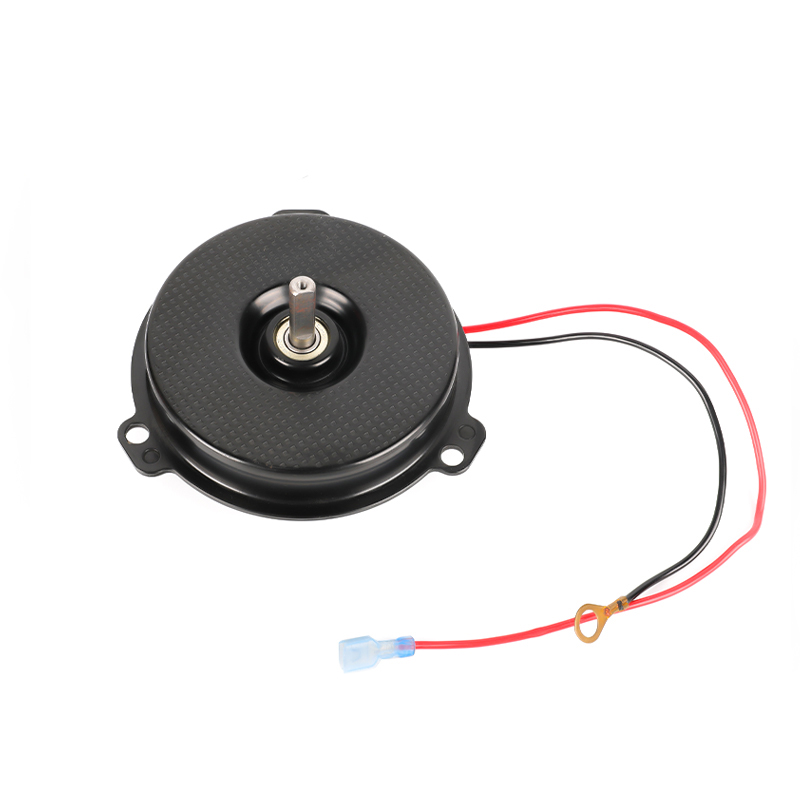
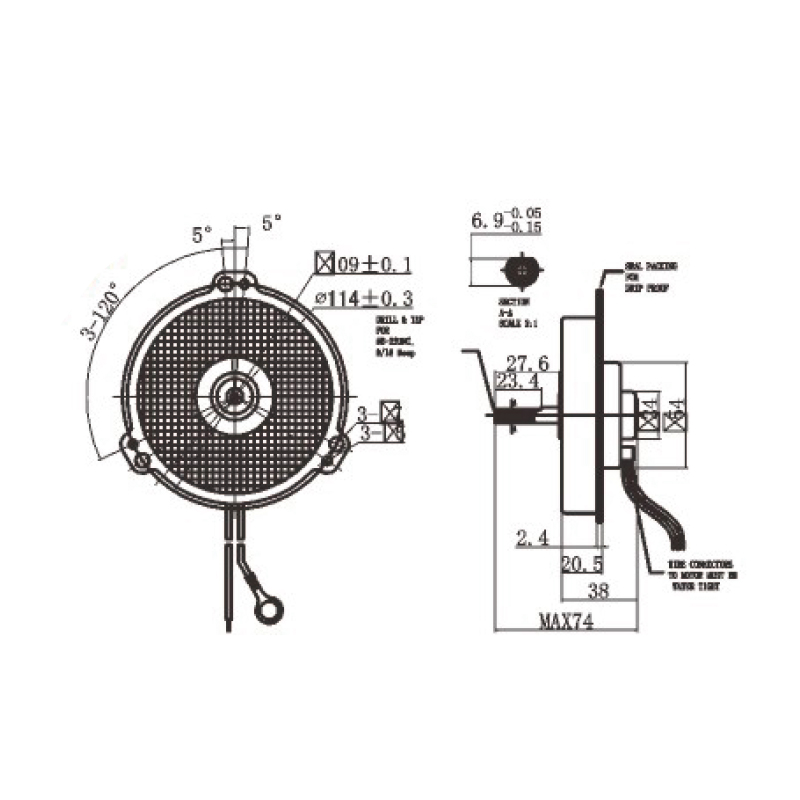
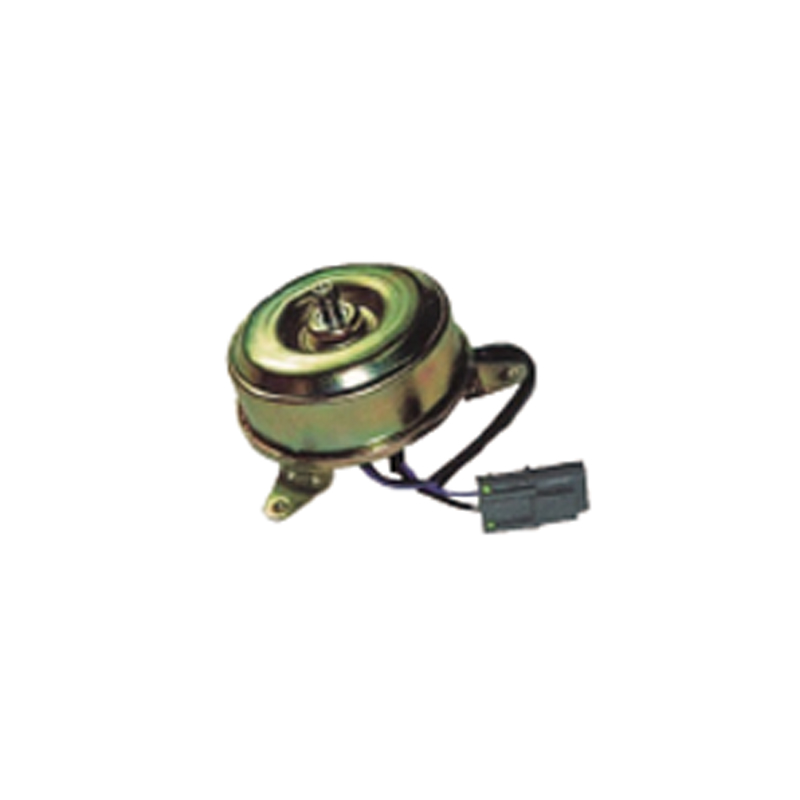
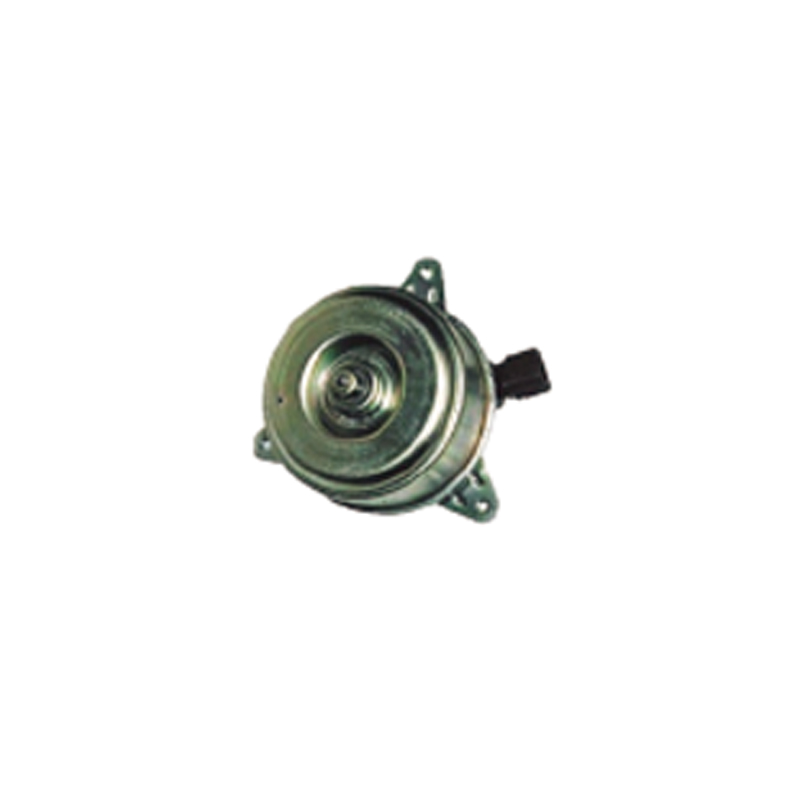
تحتل مروحة EC منخفضة الضوضاء مقاس 190 مم والتي تحمل تصنيف IP55 ركنًا ضيقًا ولكن متطلبًا في سوق التبريد. الإطار كبير بما يكفي لتحريك الهواء المفيد من خلال كومة مكثف، أو حاوية بطارية أو خزانة كهربائية محكمة الغلق، ولكنه صغير بما يكفي ليناسب داخل ظرف تثبيت 200 مم. توفر إلكترونيات القيادة المخففة إلكترونيًا التحكم في السرعة بدون خطوات بكفاءات لا يمكن للمحرك ذو القطب المظلل أو المكثف أن يقترب منها، كما يسمح تصنيف IP55 لنفس الأجهزة بالبقاء على قيد الحياة في أماكن الغسيل ومواقع العمل المتربة ومقصورات المحرك الرطبة. ونادرا ما يصل المهندسون إلى هذه المواصفات عن طريق الصدفة. يظهر هذا عادةً بعد فشل مروحة التيار المتردد في تحقيق هدف الضوضاء، أو بعد أن تتآكل مروحة التيار المستمر ذات الفرشاة عبر فرشها، أو بعد أن تبتلع مروحة ذات إطار مفتوح الماء. إن فهم ما يتحكم فيه كل عنصر من عناصر المواصفات، وأين تعزز العناصر بعضها البعض وأين تتعارض، هو ما يفصل بين المروحة التي تعمل بهدوء لمدة عشر سنوات عن تلك التي تعوي أو تتآكل أو تتعطل في موسمها الأول. يعمل هذا الدليل من خلال الهندسة وراء مروحة EC منخفضة الضوضاء مقاس 190 مم مع حماية IP55: طوبولوجيا المحرك، واستراتيجية الختم، وتفسير منحنى المروحة، واختيار المكره، وممارسة التركيب، وواجهات التحكم، وخطوات التحقق التي تثبت استيفاء المواصفات بالفعل في الإنتاج. فك المواصفات: 190 مم، ضوضاء منخفضة، EC وIP55 ويصلح كل جزء من هذا الوصف مجموعة مختلفة من قرارات التصميم، ويتم تأكيد كل منها من خلال اختبار مختلف. إن التعامل معها كعلامة تسويقية واحدة هو المصدر الأكثر شيوعًا لخيبة الأمل في مرحلة النموذج الأولي. ما يتحكم فيه كل عنصر فعليًا العنصر ما يصلح نطاق العمل النموذجي كيف يتم تأكيد ذلك إطار 190 ملم قطر المكره ومغلف التركيب دافع اسمي 190 مم، حوالي 200 إلى 215 مم عبر الحافة رسم الأبعاد ونمط الثقب ضوضاء منخفضة الإخراج الصوتي عند نقطة العمل المقصودة حوالي 45 إلى 58 ديسيبل (A) عند متر واحد لمروحة EC مقاس 190 مم عند السرعة المتوسطة قياس ضغط الصوت في غرفة شبه كاتمة للصدى محرك EC طريقة التبديل والكفاءة وواجهة التحكم مدخل تيار مستمر 24 فولت أو 48 فولت مع محرك متكامل ثلاثي الطور اختبار البدلاء للكفاءة والتحكم في السرعة IP55 مقاومة الغبار ونفاثات المياه ذات الضغط المنخفض محمي من الغبار ومحمي من الطائرات النفاثة، وغير قابل للغمر اختبار IEC 60529 مع تركيب المروحة أثناء الخدمة لماذا تتصادم العناصر الأربعة مع بعضها البعض؟ إغلاق المروحة يحبس الحرارة. يعمل كل من الغلاف المحشو ولوحة التحكم الموضوعة في وعاء ومسار العمود المحكم على تقليل مساحة السطح المتاحة للحمل الحراري، وبالتالي فإن المحرك والإلكترونيات الخاصة به يعملان بشكل أكثر دفئًا مما هو عليه في تصميم الإطار المفتوح. نظرًا لأن قوة المغناطيس ومقاومة اللف كلاهما تنجرف مع درجة الحرارة، يجب تحديد أبعاد مروحة EC محكمة الغلق مقاس 190 مم باستخدام هذا الخفض المطبق بالفعل بدلاً من اكتشافه على طاولة الاختبار. انخفاض الضوضاء يعني عادة سرعة أقل، والسرعة المنخفضة تعني دائمًا تدفق هواء أقل عند نفس الضغط. تتميز المكره مقاس 190 مم بسقف هيدروليكي ثابت: عند ضغط ثابت معين، يمكنها فقط توصيل كمية كبيرة من الهواء، بغض النظر عن مقدار التيار الذي يرغب المحرك في توفيره. يؤدي الغلق إلى رفع درجة الحرارة الداخلية، كما أن التشغيل الهادئ يقلل من تدفق الهواء. يعمل الإطار مقاس 190 مم على حل تلك التعارضات فقط عندما يتم تحديد نقطة التشغيل قبل اختيار المروحة. عندما لا يمكن تحقيق هدف صوتي وهدف حراري بواسطة مروحة واحدة بسرعة منخفضة، فإن الإجابة العملية عادة ما تكون مروحتين تعملان بسرعة معتدلة بدلاً من تشغيل مروحة واحدة بشكل مسطح. توفر الوحدتان أيضًا التكرار في التطبيقات حيث تعني المروحة المتوقفة نظامًا مخفضًا. لماذا تعمل محركات EC بشكل أكثر هدوءًا من بدائل التيار المتردد أو المصقولة تأتي الضوضاء في المروحة من عائلتين من المصادر: الضوضاء الديناميكية الهوائية الناتجة عن الشفرات، والضوضاء الميكانيكية أو الكهربائية الناتجة عن المحرك. ليس لطوبولوجيا المحرك أي تأثير تقريبًا على الأول، كما أن لها تأثيرًا كبيرًا على الثاني. تخفيف بدون فرش أو انزلاق أو توافقيات العرض يُصدر محرك DC المصقول ضوضاء عند كل تمريرة للفرشاة، وينتج هسهسة عريضة النطاق من الانحناء ويسقط الغبار الموصل داخل الهيكل. يحمل المحرك التحريضي المتناوب الذي يتم إمداده من التيار الكهربائي نبض عزم الدوران عند ضعف تردد الخط، وعندما يتم تقليل سرعته باستخدام مقسم مقاومة أو وحدة تحكم زاوية الطور، يضيف شكل الموجة المشوه همهمة منخفضة التردد يصعب تخميدها. يستبدل محرك EC كل هذا بعاكس ثلاثي الطور يعمل على التبديل أعلى بكثير من النطاق المسموع ويشكل التيار بشكل جيبي، مما يترك خرج عزم الدوران خاليًا تقريبًا من التموج. التحكم في السرعة يغير الصورة الصوتية نظرًا لأن محرك الأقراص يضبط السرعة إلكترونيًا، يمكن تعيين مروحة EC مباشرة إلى مستشعر درجة الحرارة أو إشارة التحكم. بعد ذلك، تعمل المروحة فقط بالسرعة التي يتطلبها الحمل الحراري، وتقضي معظم حياتها تحت السرعة التي تصبح فيها ضوضاء الشفرة هي المساهم المهيمن. تشهد التركيبات الحقيقية في كثير من الأحيان انخفاضًا بمقدار خمسة إلى عشرة ديسيبل (A) عند التحميل الجزئي مقارنةً بمروحة التيار المتردد ذات السرعة الثابتة التي يجب ضبط حجمها لأسوأ الحالات. نوع المحرك كفاءة نموذجية في المراوح الصغيرة التحكم في السرعة مصدر الضوضاء المهيمنة تحريض التيار المتردد أو القطب المظلل ما يقرب من 30 إلى 50 في المائة تقليم الجهد، خطوات محدودة همهمة تردد الخط وتحمل الضوضاء نحى العاصمة ما يقرب من 60 إلى 75 في المائة التحكم في الجهد أو PWM فرشاة الانحناء وتموج تخفيف EC فرش العاصمة ما يقرب من 75 إلى 88 في المائة بدون خطوات، يتم التحكم في الإشارة أو الحافلة الضوضاء الديناميكية الهوائية الصادرة عن المكره إن فجوة الكفاءة لها أهمية تتجاوز استهلاك الطاقة. تصبح الخسائر التي لا يتم تحويلها إلى عمل ميكانيكي حرارة داخل غلاف محكم الغلق، والحرارة هي بالضبط ما لا يمكن أن يرفضه غلاف IP55 بسهولة. كيف تم تصميم حماية IP55 في إطار مقاس 190 مم IP55 يأتي من IEC 60529 وهو مصنوع من رقمين منفصلين. الرقم الأول، خمسة، يعني أن الغبار محمي: قد تدخل كمية محدودة من الغبار، ولكن يجب ألا تتداخل مع التشغيل أو السلامة. الرقم الثاني، خمسة، يعني الحماية ضد نفاثات الماء من فوهة مقاس 6.3 ملم توفر ما يقرب من 12.5 لترًا في الدقيقة عند حوالي 30 كيلو باسكال من مسافة حوالي ثلاثة أمتار لمدة ثلاث دقائق على الأقل. لا يعد أي من الرقمين بمنتج محكم الغبار أو غاطس. نقاط إغلاق IP55 على مروحة EC مقاس 190 مم 1 2 3 4 5 خمس نقاط ختم تحدد ما إذا كان التصنيف سيصمد أم لا خط تقسيم الإسكان. يجب أن يتم ضغط الحشية بالتساوي حول المحيط بالكامل، ويجب أن يتناسب التباعد اللولبي مع صلابة الغطاء. إن الفجوة التي تبلغ جزءًا من المليمتر تكفي لنفاثة مائية لإيجاد طريق إلى اللفات. مسار المكره والعمود. يعمل الأخدود المتاهة حول العمود، جنبًا إلى جنب مع قناة تصريف داخلية صغيرة، على إبقاء النفاثات بعيدًا عن مقعد المحمل بينما تسمح للدوار بالدوران بحرية. المحرك ولوحة التحكم. طلاء مطابق يتعامل مع الرطوبة الخفيفة؛ يعد التغليف الكامل هو الخيار الأكثر أمانًا عندما تكون الإلكترونيات موجودة داخل نفس تجويف الدوار. دخول الكابل. الغدة المقولبة أو التغذية المحفوظ بوعاء هي الخيار الوحيد الذي يمكن الاعتماد عليه. سوف تجتاز أنابيب الانكماش الحراري فوق حزمة الكابل اختبار الرش وتفشل في اختبار النفث. معادلة الضغط. يسمح الغشاء الكاره للماء للهواء بالتحرك للداخل والخارج أثناء تسخين المروحة وتبريدها، لذلك لا يتم تحميل السدادات أبدًا بسبب اختلافات الضغط الداخلي. التكثيف هو الفشل الذي لا يمنعه IP55 لا يزال العلبة المغلقة تتنفس خلال دورات درجة الحرارة. يهاجر بخار الماء إلى الداخل، ثم يتكثف على الأسطح الباردة بعد إيقاف التشغيل، ويوضع الفيلم الناتج مباشرة على لوحة التحكم. التدابير المضادة عبارة عن غشاء تنفس تم وضعه بشكل صحيح، وقناة تصريف في أدنى نقطة من الجهاز مثبتة التوجه، وطلاء على الالكترونيات. من الممكن أن تفشل مروحة IP55 التي اجتازت الاختبار المعملي في الميدان إذا تم تركيبها رأسًا على عقب مع مسار التصريف فوق المحرك. قراءة منحنى مروحة EC مقاس 190 مم قبل الالتزام لا توفر المروحة تدفقًا ثابتًا للهواء؛ فهو يوفر تدفق الهواء الذي تسمح به مقاومة النظام. يعني التحديد وضع تقاطع منحنى المروحة ومنحنى مقاومة النظام داخل الجزء المستقر والفعال من خريطة المروحة، ثم التحقق من أن البيانات الصوتية والكهربائية الموجودة في ورقة البيانات تنتمي إلى نفس التقاطع. الضغط وتدفق الهواء بثلاثة إعدادات للسرعة تدفق الهواء بالمتر المكعب في الساعة الضغط الساكن بالباسكال السرعة الكاملة السرعة 70 بالمئة السرعة 50 بالمئة نقطة الواجب ما لا يخبرك به المنحنى يتم قياس منحنيات ورقة البيانات على قاعة اختبار ليست ضمن العلبة الخاصة بك. عوائق المدخل، والانحناء المحكم على بعد بضعة سنتيمترات من الحارس، والملف الفاسد وتحميل المرشح بمرور الوقت، كلها عوامل تحرك منحنى النظام إلى اليسار. تتمثل القاعدة المعقولة في اختيار مروحة يكون تدفق الهواء الخاص بها أعلى بما لا يقل عن عشرين إلى ثلاثين بالمائة من المتطلبات المحسوبة، ثم استخدام التحكم في السرعة للعودة إلى نقطة التشغيل الحقيقية. بالنسبة للإطار مقاس 190 مم، فإن دافع الطرد المركزي المائل للخلف والذي يتم تشغيله بواسطة محرك EC متكامل هو التكوين الذي يفي غالبًا بمتطلبات الضغط وهدف الضوضاء بهذا الحجم، لأن العجلة تحول سرعة الدوران إلى ضغط ثابت دون نغمة تمرير الشفرة القوية للتصميم المحوري. EC72-B190 EC مروحة طرد مركزي بدون فرش قابلة للإمالة للخلف المادة المواصفات. NO EC الجهد الكهربي لمروحة الطرد المركزي المائلة إلى الخلف 220/230 فولت (دعم التخصيص) رياح ≥105 واط قابلة للتطبيق عالميات عكسية تيار .870.87 أمبير تو... عرض المنتج → قم بتأكيد ثلاثة أرقام قبل قفل التحديد: الضغط عند نقطة التشغيل بدلاً من التوصيل المجاني، والسرعة التي تم بها قياس مستوى الصوت المنشور، وطاقة الإدخال عند نفس نقطة التشغيل. يقتبس الموردون أحيانًا أرقامًا هادئة تم التقاطها بنصف السرعة جنبًا إلى جنب مع أرقام تدفق الهواء المأخوذة بأقصى سرعة. مطابقة هندسة المكره وحجم الإطار مع المهمة عند 190 مم، يكون اختيار المكره مهمًا بقدر ما يكون اختيار المحرك، لأن العجلة تحدد شكل المنحنى، وموضع المنطقة ذات الكفاءة الأفضل وطبيعة الضوضاء. نوع المكره خاصية الضغط طابع الضوضاء واجب نموذجي عند 190 ملم الطرد المركزي المنحني إلى الخلف ارتفاع الضغط الساكن مع منحنى مستقر محتوى نغمي أقل، نطاق واسع قابل للاستخدام المكثفات وخزانة التبريد الأنبوبية الطرد المركزي المنحني إلى الأمام تدفق هواء مرتفع عند ضغط منخفض مستوى نطاق عريض أقوى من الغلاف المدمج واجب المبخر والمنفاخ محوري تدفق هواء مرتفع، ضغط منخفض نغمة تمرير الشفرة تهيمن على الطيف الرادياتير والتبريد ذو اللوحة المفتوحة التصاميم ذات الصلة في نفس العائلة، مثل أ مروحة طرد مركزي بدون فرش DC مبنية حول عجلة منحنية للأمام، وإمكانية الضغط التجاري من أجل غلاف أقل عمقًا ومدخل أوسع. تكون هذه التجارة معقولة عندما تهيمن على مقاومة النظام قناة قصيرة مفتوحة بدلاً من ملف كثيف. عندما لا يكون 190 ملم كافيا إذا كانت نقطة التشغيل المحسوبة أعلى مما يمكن أن تنتجه عجلة مقاس 190 مم بسرعة دوران مقبولة، فقاوم إغراء تجاوز السرعة. يؤدي الانتقال إلى مروحة الطرد المركزي مقاس 225 مم EC إلى استعادة تدفق الهواء بسرعة أقل، مما يقلل عادةً من الضوضاء وحمل المحمل. التكلفة عبارة عن مظروف تركيب أكبر ووحدة أثقل ونمط تركيب منقح. EC92-B225 EC المبرد مروحة الطرد المركزي المائلة للخلف البند المواصفات. لا توجد مروحة طرد مركزي قابلة للإمالة للخلف EC الجهد 220 / 230 فولت (دعم التخصيص) الرياح من ≥135W تيار عكسي عالمي قابل للتطبيق .051.05A دوران ... عرض المنتج → حجم الإطار وقطر المكره ليسا نفس البعد. قد يحتوي الإطار مقاس 190 مم على عجلة أصغر قليلًا بمجرد حساب خلوص الكفن، ويؤثر هذا الخلوص على كل من تدفق الهواء المُرسل ومستوى الضوضاء. قم دائمًا بمقارنة العجلات من حيث القطر، وليس من حيث رسم الحافة. الإدارة الحرارية للبطارية ومنصات الطاقة الجديدة لقد دفعت المركبات المكهربة مواصفات المروحة في الاتجاه الذي يناسب تكنولوجيا EC. تحتاج حزم البطاريات وإلكترونيات الطاقة إلى تبريد متناسب مع الحمل، وتحتاج إليه بتوقيع صوتي منخفض جدًا عند السرعات المنخفضة، وتحتاج إلى أجهزة تتحمل الرطوبة ورذاذ الطريق والاهتزاز المستمر. توجد مروحة EC منخفضة الضوضاء مقاس 190 مم مع حماية IP55 في منتصف هذا الظرف. هناك ملاحظتان للتصميم تستحقان أن تحملهما في أي برنامج لتبريد البطارية. أولاً، عادةً ما تكون المروحة العنصر الأقل تكلفة في الحلقة الحرارية والأسهل للتغيير في وقت متأخر، لذا حدد واجهة التحكم مبكرًا: إن خرج مقياس سرعة الدوران وإشارة الخطأ يستحقان أكثر من مكاسب صغيرة في ذروة تدفق الهواء. ثانيًا، دورة العمل مهمة أكثر من ذروة الأداء. إن المروحة التي تقضي معظم حياتها بسرعة ثلاثين بالمائة سوف تدوم أكثر من المروحة التي يتم تدويرها بأقصى سرعة كل بضع دقائق، لأن تحمل هجرة الشحوم والتدوير الحراري، وليس الحمل الديناميكي الهوائي، هو الذي يحدد عمر الخدمة. عندما تكون متطلبات الضغط متواضعة والأولوية هي نقل كمية كبيرة من الهواء عبر المبرد أو المشتت الحراري، غالبًا ما تكون المروحة المحورية بدون فرش هي الأفضل بنفس الجهد وبنفس واجهة التحكم. من السهل أيضًا ترتيب الوحدات المحورية في صفائف، مما يساعد عند الحاجة إلى التكرار. البند المواصفات. لا 12 "مروحة محرك بدون فرش مغناطيسية دائمة DC الجهد الكهربي 6-18 فولت (دعم التخصيص) الرياح من 3800 م 3 / ساعة آلات المعالجة القابلة للتطبيق ، ... عرض المنتج → خيارات التثبيت التي تحدد ضوضاء العالم الحقيقي يمكن أن يختلف المروحتان اللتان لديهما بيانات معملية متطابقة بمقدار عشرة ديسيبل (A) بمجرد تركيبهما. يتم إنشاء معظم هذا الاختلاف عن طريق ترتيب التثبيت وليس عن طريق المروحة نفسها. تخليص المدخل. إن الواقي أو الشبكة أو الملف الموجود داخل نصف قطر المروحة للمدخل يشوه التدفق الوارد ويزيد من فقدان الضوضاء والضغط. اسمح بمساحة خالية بنصف قطر واحد على الأقل حيث يسمح التصميم بذلك. تركيب ناعم. تعمل الحلقات المطاطية أو غسالات الكتف على كسر المسار الذي يحمله الهيكل بين الهيكل واللوحة. يحول التثبيت الصلب العلبة الصلبة إلى لوحة صوت. صلابة اللوحة. تشع الصفائح المعدنية الرقيقة الاهتزاز بنفس الطريقة التي يشع بها الحجاب الحاجز الصوت. غالبًا ما تكون إضافة ضلع أو لوحة مضاعفة بالقرب من نقاط التثبيت أرخص من تغيير المروحة. تردد تمرير الشفرة. عدد الشفرات مضروبًا في سرعة الدوران يعطي النغمة التي يلاحظها الركاب أولاً. تأكد من أن هذا التردد لا يتزامن مع وضع الرنين للوحة أو القناة. تعلية السرعة. يمنع المنحدر البطيء لمدة ثانيتين إلى خمس ثوانٍ الخطوة النغمية المفاجئة التي تجعل تغيير التحكم مسموعًا حتى عندما تكون السرعة النهائية هادئة. محاذاة القناة. تعمل القنوات البعيدة عن المركز والتغيرات المفاجئة في المنطقة والزوايا الداخلية الحادة على توليد اضطراب يصل إلى المكره على شكل ضوضاء. يتفاعل الختم والتركيب هنا أيضًا. عادة ما تكون المروحة ذات الحشيات أكثر صلابة وأثقل من نظيرتها ذات الإطار المفتوح، مما يغير تردداتها الطبيعية ويمكن أن يجعل صدى اللوحة الهادئة سابقًا. واجهات التحكم والحماية ومتطلبات EMC تعتبر مروحة EC منتجًا صغيرًا لإلكترونيات الطاقة، لذا تستحق المواصفات الكهربائية نفس العناية التي تستحقها المواصفات الديناميكية الهوائية. يجب أن تظهر العناصر التالية بوضوح في أي مواصفات شراء. نطاق جهد الإدخال. اذكر نافذة التشغيل الكاملة، وليس فقط القيمة الاسمية، بالإضافة إلى السلوك أثناء التدوير أو انقطاع التيار الكهربائي. التحكم في الإدخال التناظرية من صفر إلى عشرة فولت، أو PWM، أو أمر ناقل، مع تحديد منحنى النقل كتابيًا. إخراج مقياس سرعة الدوران. مجمع مفتوح أو دفع وسحب، مع تحديد النبضات لكل دورة حتى يتمكن النظام من اكتشاف الدوار المتوقف أو المسدود. إخراج الخطأ. خط منفصل واحد يغطي الدوار المقفل، ودرجة الحرارة الزائدة والتيار الزائد يوفر وقت التشخيص لاحقًا. ميزات الحماية. تعتبر القطبية العكسية وإعادة تشغيل الجهد المنخفض والحد من التيار الزائد والإغلاق الحراري توقعات أساسية لوحدة مغلقة. بداية ناعمة. يؤدي الحد من تيار التدفق إلى حماية العرض وتقليل الصدمة الميكانيكية على نظام المحمل. التوافق الكهرومغناطيسي. يعتمد المعيار المطبق على النظام الأساسي، ولكن يجب اختبار المروحة بدلاً من افتراض توافقها لأن محرك الأقراص مدمج. تتمثل العادة العملية في اختبار المروحة باستخدام الحزام والموصل الذي سيتم استخدامه في الإنتاج. يمكن لمتر من الكابلات غير المحمية أن يغير توقيع الانبعاثات أكثر بكثير من أي تغيير داخل غلاف المروحة. التحقق والتأهيل قبل الإنتاج بكميات كبيرة السؤال الأخير ليس ما إذا كانت العينة تعمل أم لا، ولكن ما إذا كانت المواصفات ستستمر في الانتقال من النموذج الأولي إلى الحجم. أربعة مسارات للتحقق تغطي معظم المخاطر. التحقق من الدخول. يجب إجراء اختبار النفث وفقًا للمعيار IEC 60529 على تصميم ختم الإنتاج، في الاتجاه المثبت، باستخدام سدادة كابل الإنتاج. التحقق الصوتي. يتم قياس ضغط الصوت عند المسافة والسرعة المحددين وفقًا لترتيب التركيب الفعلي بحيث يتم تضمين المساهمات المحمولة على الهيكل. التحمل والبيئة. التشغيل المستمر بأقصى درجات الحرارة المحيطة، والتدوير الحراري بين النقع البارد والساخن، ورذاذ الملح للاستخدام الخارجي، وملامح الاهتزاز التي تمثل موقع التركيب. التحكم في العملية. تعد معلمات اللف ودرجة توازن الدوار والفحص الصوتي لنهاية الخط هي المتغيرات الثلاثة التي غالبًا ما تنحرف بمجرد دخول التصميم إلى الإنتاج المتسلسل. الموردين مع في المنزل تصنيع مروحة ومنفاخ EC عادةً ما يتم الحفاظ على شد الملف وموازنة الدوار والفحص الصوتي لنهاية الخط في مصنع واحد، مما يؤدي إلى تقصير الحلقة بين الشكوى الميدانية وتغيير التصميم. بالنسبة لبرامج السيارات والطرق الوعرة، عادةً ما يكون نظام إدارة الجودة المسجل وقدرة المعالجة الموثقة لهذه العمليات الثلاث هو الحد الأدنى من المتطلبات التجارية، ويجب تأكيدها قبل إصدار الأدوات. قائمة الاختيار والتشغيل من المواصفات إلى التثبيت المعتمد تعريف الواجب نقطة إطار المباراة والمكره تحقق من IP55 والصوتيات التحقق من صحة في النظام حساب نقطة العمل من مقاومة النظام المقاسة وليس من تقدير الكتالوج. تأكد من تحديد الهدف الصوتي على نفس المسافة ونفس السرعة ونفس ترتيب التثبيت الذي تنوي استخدامه. تحقق من شروط اختبار IP55 مقابل الاتجاه المثبت، وخاصة موضع أي مسار تصريف. حدد إشارات التحكم ومقياس سرعة الدوران والخطأ في حزمة الرسم، وليس في سلسلة رسائل بريد إلكتروني منفصلة. تأكد من خفض القدرة عند الحد الأقصى المتوقع داخل العلبة المغلقة. النموذج الأولي داخل العلبة الحقيقية، مع الحزام الحقيقي، قبل إطلاق الأدوات. الموافقة على اختبار القبول وخطة أخذ العينات قبل الشحن بالحجم الأول. الأسئلة المتداولة س1: ما الذي يحمي IP55 فعليًا منه مروحة EC مقاس 190 مم؟ ويغطي خطرين متميزين. الرقم الأول يعني أن الهيكل محمي من الغبار، لذلك قد تدخل كمية محدودة من الغبار دون التدخل في التشغيل. الرقم الثاني يعني أن الوحدة تقاوم نفاثات الماء ذات الضغط المنخفض من أي اتجاه. هذا لا يعني أن المروحة محكمة الغبار أو أنه يمكن غمرها. س2: هل يمكن تشغيل مروحة EC منخفضة الضوضاء بأقصى سرعة بشكل مستمر؟ يمكنها ذلك، لكن السرعة الكاملة المستمرة تضحي بالفائدة الرئيسية لطوبولوجيا المحرك. إن التشغيل بمعدل ستين إلى ثمانين بالمائة من السرعة القصوى عادةً ما يحافظ على نقطة التشغيل داخل المنطقة المستقرة من المنحنى مع تقليل الإخراج الصوتي وإطالة عمر المحمل. حجز السرعة الكاملة للظروف المضطربة. س3: لماذا تختلف أرقام الضوضاء للمراوح المماثلة مقاس 190 مم بين الموردين؟ لأن ضغط الصوت يعتمد على المسافة والتركيب وظروف الدخول والسرعة التي تم بها القياس. الرقم المقتبس على مسافة متر واحد مع مدخل واضح بنصف السرعة لا يمكن مقارنته مع الرقم المأخوذ بأقصى سرعة داخل قاعة الاختبار. اطلب ضغط الصوت والمسافة والسرعة وطريقة التركيب معًا. س 4: لماذا لا تزال مروحة IP55 تعاني من التكثيف؟ لأن الأختام تمنع الماء السائل وليس بخار الماء. تعمل دورة درجة الحرارة على سحب الهواء الرطب إلى الداخل من خلال أي مسار معادلة ودفعه للخارج مرة أخرى، ويتكثف البخار المتبقي على الأسطح الباردة بعد إيقاف التشغيل. إن جهاز التنفس الكاره للماء وقناة التصريف الموجهة بشكل صحيح ولوحة التحكم المطلية تعالج المشكلة. س5: متى يجب استبدال المروحة مقاس 190 ملم بإطار أكبر بدلاً من سرعة أعلى؟ عندما تكون نقطة التشغيل المطلوبة في الجزء شديد الانحدار من المنحنى ولا يمكن تحقيق هدف الضوضاء بالسرعة المطلوبة. توفر مروحة الطرد المركزي مقاس 225 مم EC نفس تدفق الهواء بسرعة أقل، مما يقلل عادةً من الضوضاء وحمل المحمل، على حساب غلاف أكبر. س6: ما هي إشارة التحكم التي يجب تحديدها لمروحة EC في السيارة أو الخزانة؟ ذلك يعتمد على النظام المضيف. يعد الإدخال التناظري من صفر إلى عشرة فولت بسيطًا وقويًا لتبريد الخزانة، في حين أن PWM أو أمر الناقل يناسب منصات المركبات التي تحمل شبكة بالفعل. في كلتا الحالتين، حدد مخرج مقياس سرعة الدوران وخط الصدع حتى تتمكن وحدة التحكم من اكتشاف الدوار المتوقف. /* 全局文章样式 */.article-section{margin-bottom:40px;}.article-section,.article-section p,.article-section li,.article-section td,.article-section th,.article-section h2,.article-section h3,.article-section h4,.article-section blockquote,.article-section a,.article-section ol,.article-section ul{font-family:'Segoe UI',Roboto,'Helvetica Neue',sans-serif;font-weight:400;line-height:2;}.article-section p{margin-bottom:5px;font-size:16px;}.article-section h2{font-size:20px;font-weight:700;text-align:left;margin:0 0 10px 0;padding:8px 16px;color:#1f2937;background:linear-gradient(90deg,rgba(218,37,28,0.13),rgba(218,37,28,0));border-left:5px solid #da251c;border-radius:4px 16px 16px 4px;}.article-section h3{font-size:18px;font-weight:700;text-align:left;margin:5px 0 5px 0;color:#1f2937;}.article-section h3::before{content:"";display:inline-block;width:8px;height:8px;background:#da251c;transform:rotate(45deg);margin-right:10px;vertical-align:middle;}.article-section h4{font-size:16px;font-weight:500;text-align:left;margin:14px 0 6px 0;color:#7a1a15;}.article-section ul,.article-section ol{margin-top:8px;margin-bottom:8px;padding-left:6px;}.article-section li{font-size:16px;list-style-position:inside;}.article-section ul li{list-style-type:disc;}.article-section ol li{list-style-type:decimal;}.article-section strong{font-weight:500;}.article-section blockquote{margin:14px 0;padding:14px 18px;font-size:16px;color:#5a1410;background:#fff5f4;border-left:5px solid #da251c;border-radius:0 12px 12px 0;}.article-section svg{display:block;width:100%;height:auto;margin:16px 0;border:1px solid #eef0f3;border-radius:12px;background:#fcfcfd;}.article-section svg text{font-family:'Segoe UI',Roboto,'Helvetica Neue',sans-serif;}.article-section a{color:#b31d17;}/* 产品卡片样式 */.article-section a[data-product-card]{display:block;margin:16px 0;padding:16px 20px;border:1px solid #f0c9c6;border-left:6px solid #da251c;border-radius:10px;background:linear-gradient(135deg,#fff5f4,#ffffff);text-decoration:none;color:#8f1712;font-size:15px;font-weight:500;box-shadow:0 3px 10px rgba(218,37,28,0.09);}.article-section.fan-curve a[data-product-card]::after{content:"Open the 190 mm EC backward-tilting centrifugal fan specification";}.article-section.impeller-match a[data-product-card]::after{content:"Open the 225 mm EC radiator backward-tilting centrifugal fan specification";}.article-section.battery-thermal a[data-product-card]::after{content:"Open the brushless axial fan specification for new energy vehicles";}/* FAQ 样式 */.article-section.faq h4{background:#fff5f4;border-left:4px solid #da251c;border-radius:0 10px 10px 0;padding:10px 14px;margin:16px 0 0 0;}.article-section.faq p{margin:0 0 4px 0;padding:12px 16px;background:#ffffff;border:1px solid #f3e2e0;border-top:none;border-radius:0 0 10px 10px;} .product-card{display:block;margin:20px 0;border:1px solid #e5e7eb;border-radius:10px;overflow:hidden;font-style:normal;background:#fff}.pc-inner{display:flex;text-decoration:none;color:inherit;align-items:center;min-height:120px}.pc-img{width:160px;min-width:160px;aspect-ratio:4/3;height:auto;min-height:120px;object-fit:cover;flex-shrink:0;display:block;align-self:stretch}.pc-body{padding:12px 16px;flex:1;min-width:0;display:flex;flex-direction:column;align-self:stretch;justify-content:center}.pc-title{display:block;font-size:15px;font-weight:600;color:#111;margin:0 0 6px;line-height:1.4}.pc-desc{display:-webkit-box;font-size:13px;color:#6b7280;margin:0 0 8px;line-height:1.5;overflow:hidden;-webkit-line-clamp:2;line-clamp:2;-webkit-box-orient:vertical}.pc-cta{display:block;font-size:13px;font-weight:600;color:#DA251C;margin-top:auto}.pc-inner:hover .pc-title{text-decoration:underline} .article-section a:not(.pc-inner),article a:not(.pc-inner){color:#DA251C}.pc-cta{color:#DA251C!important}


 English
 Español
 عربى
عربى русский