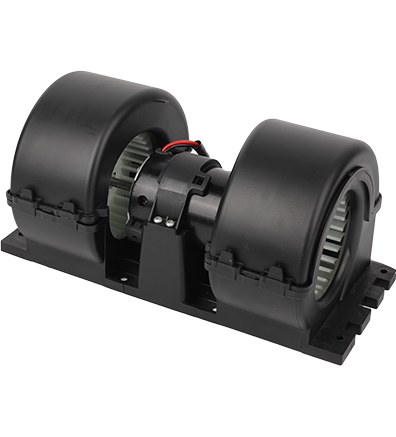
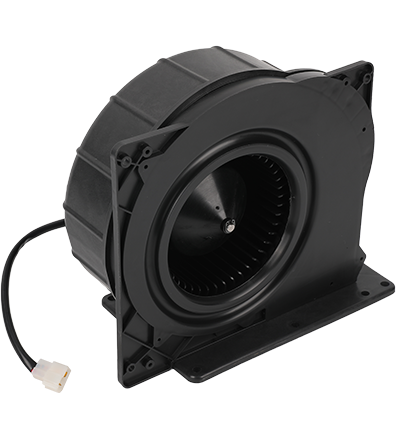
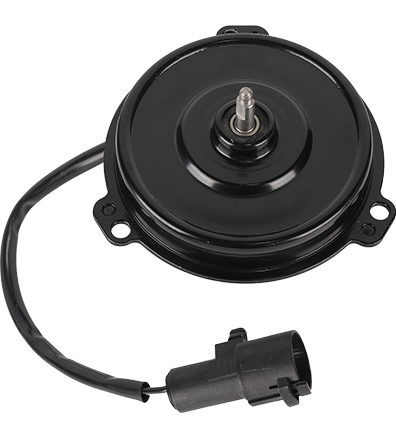
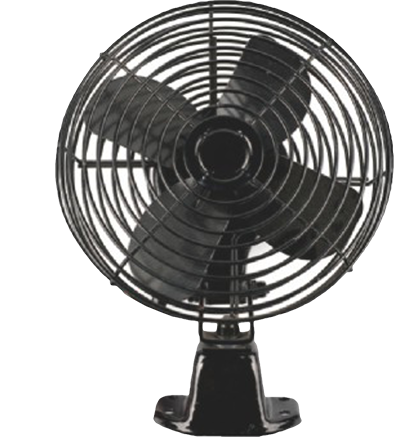
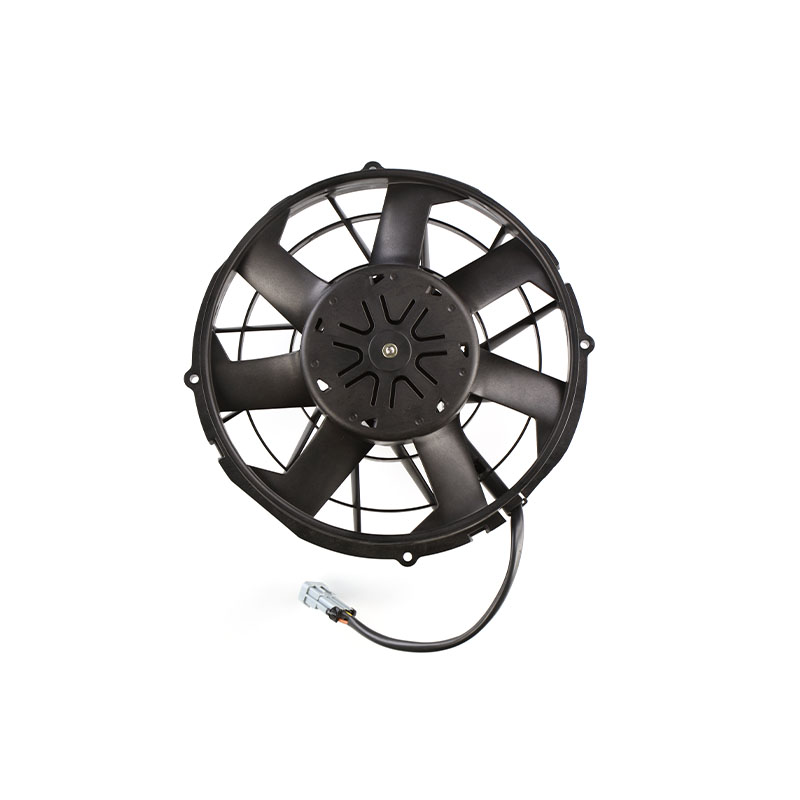
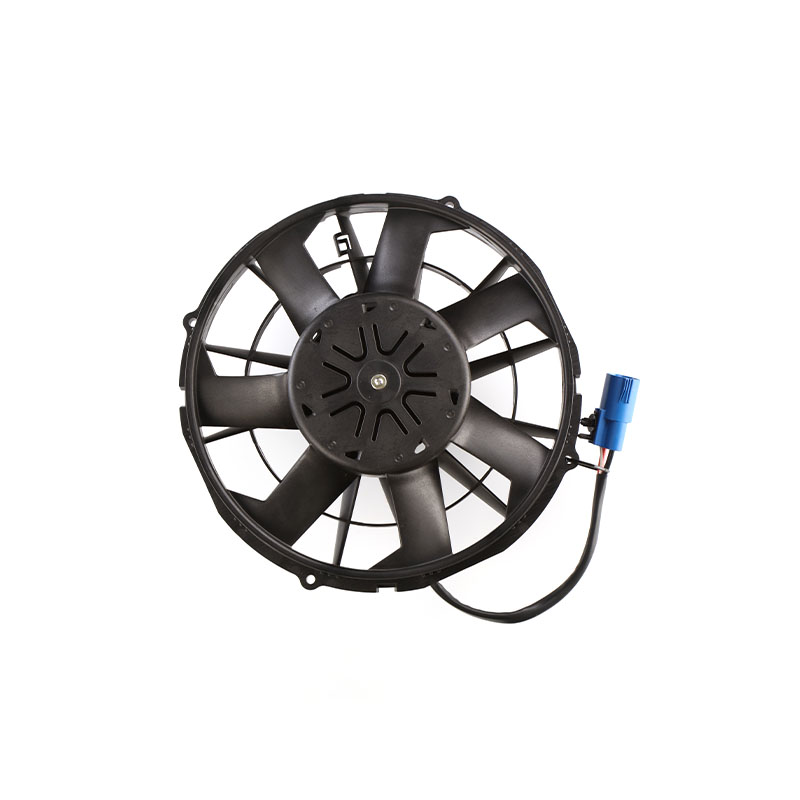
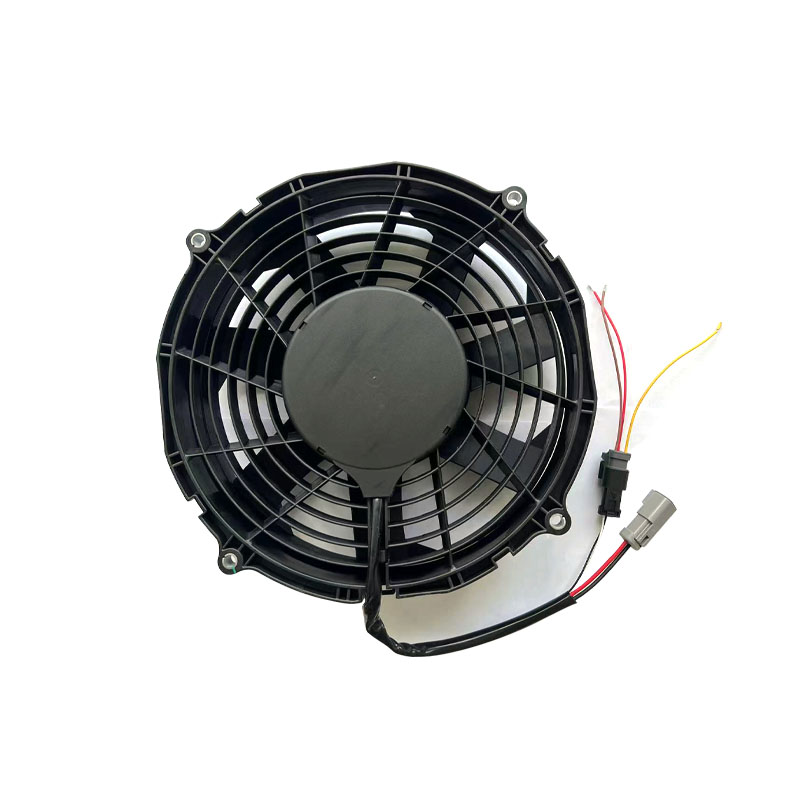
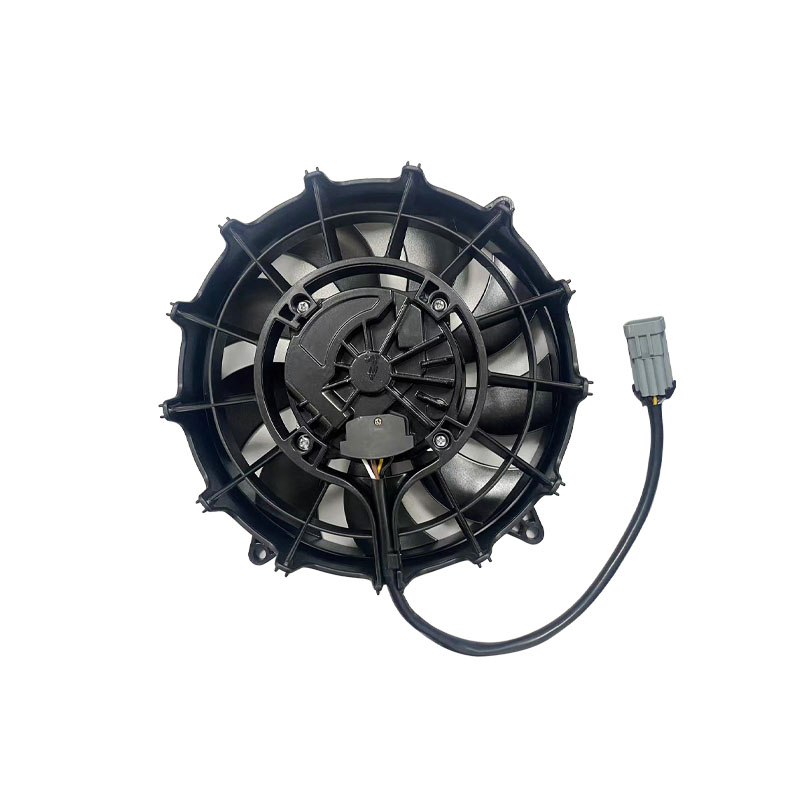
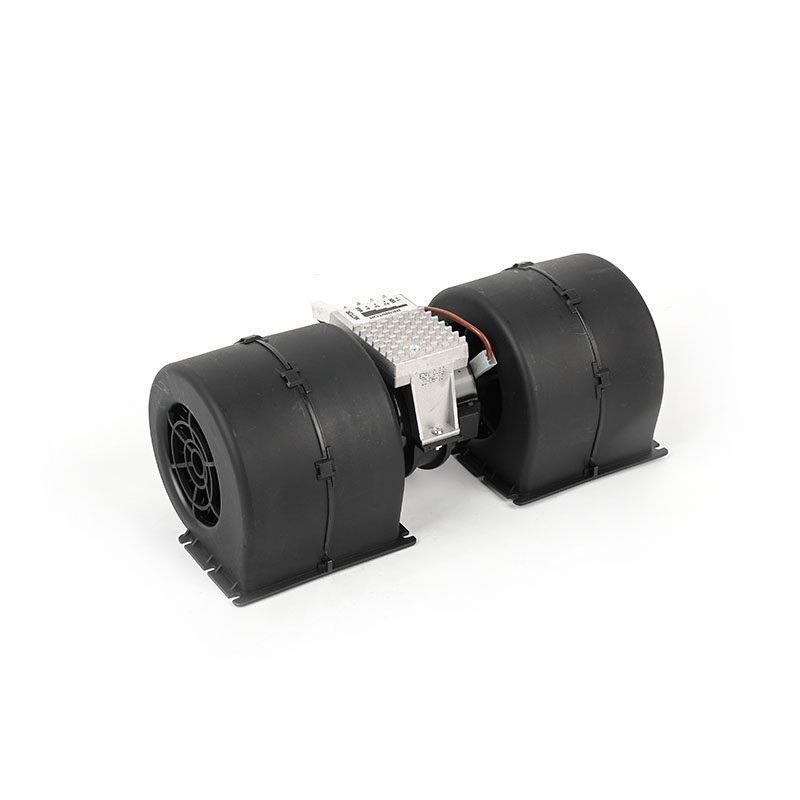
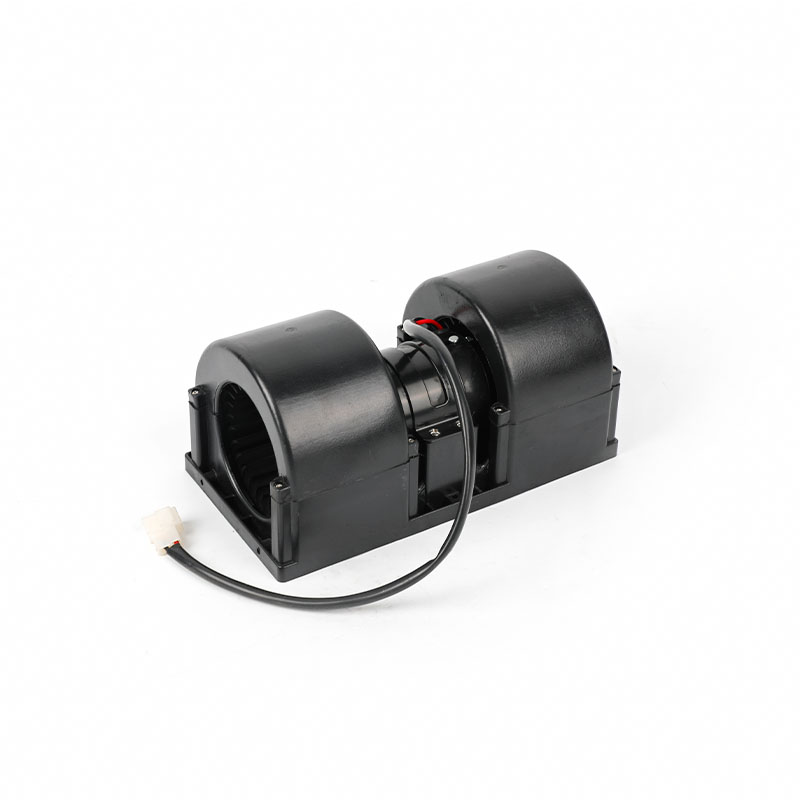
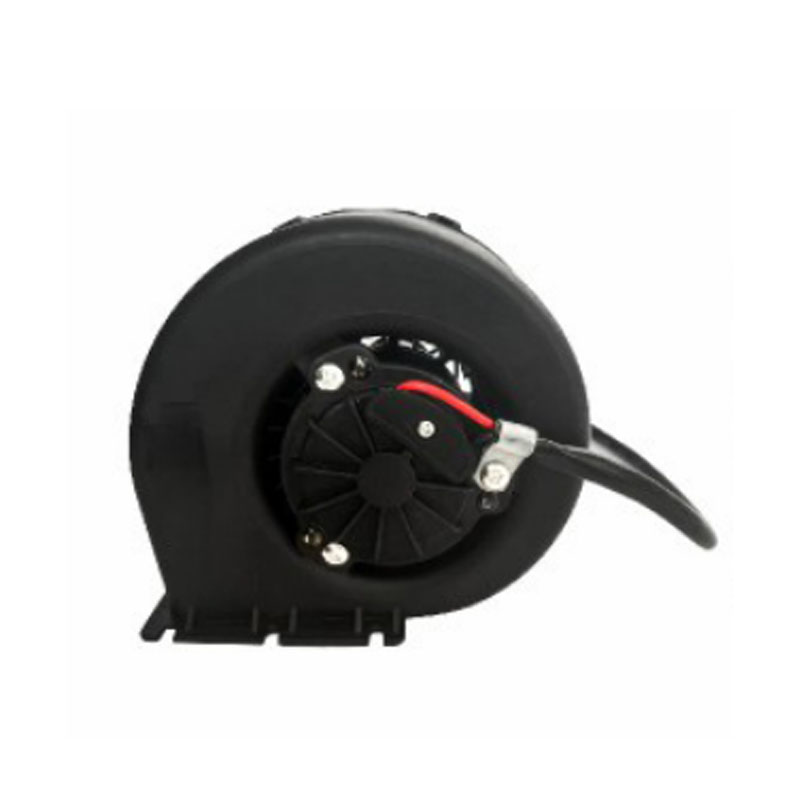
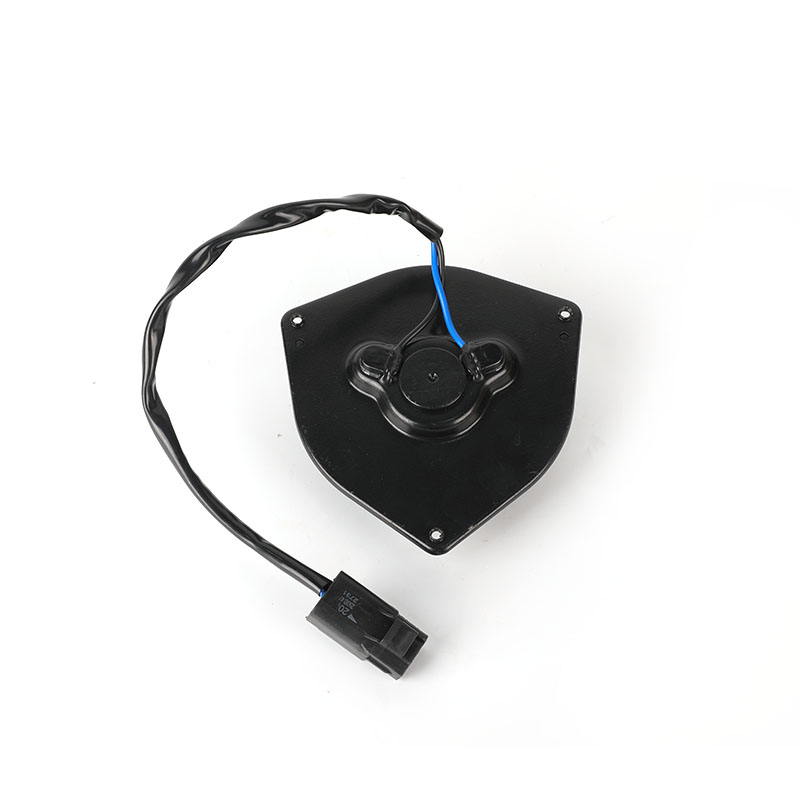
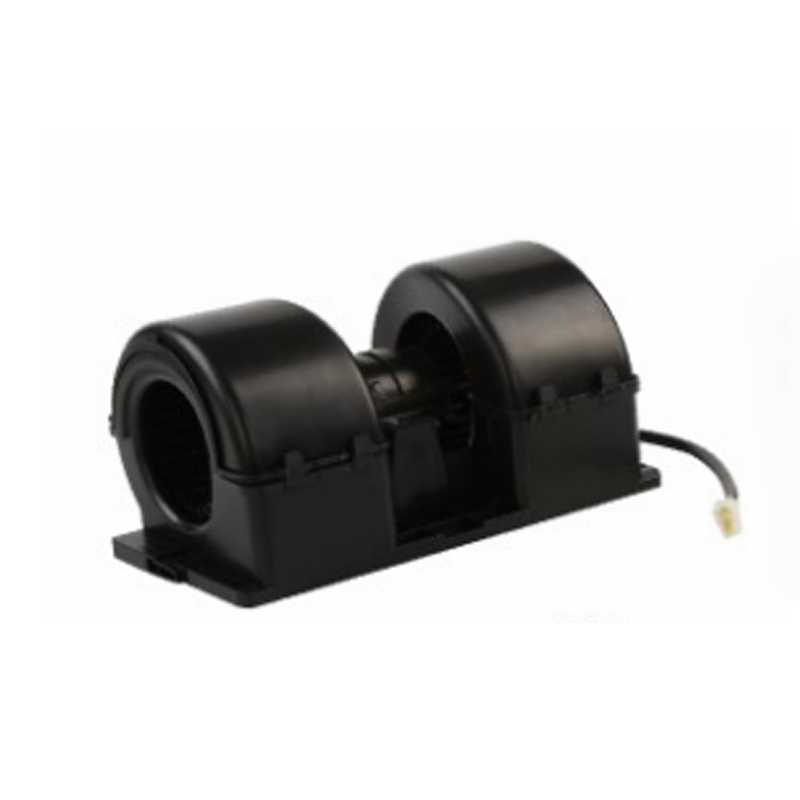
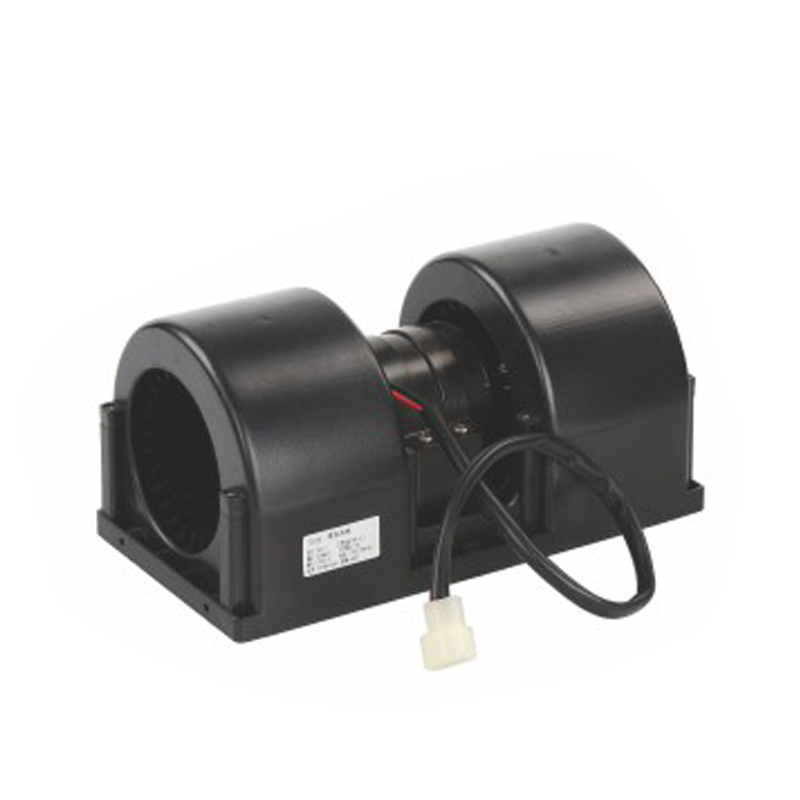
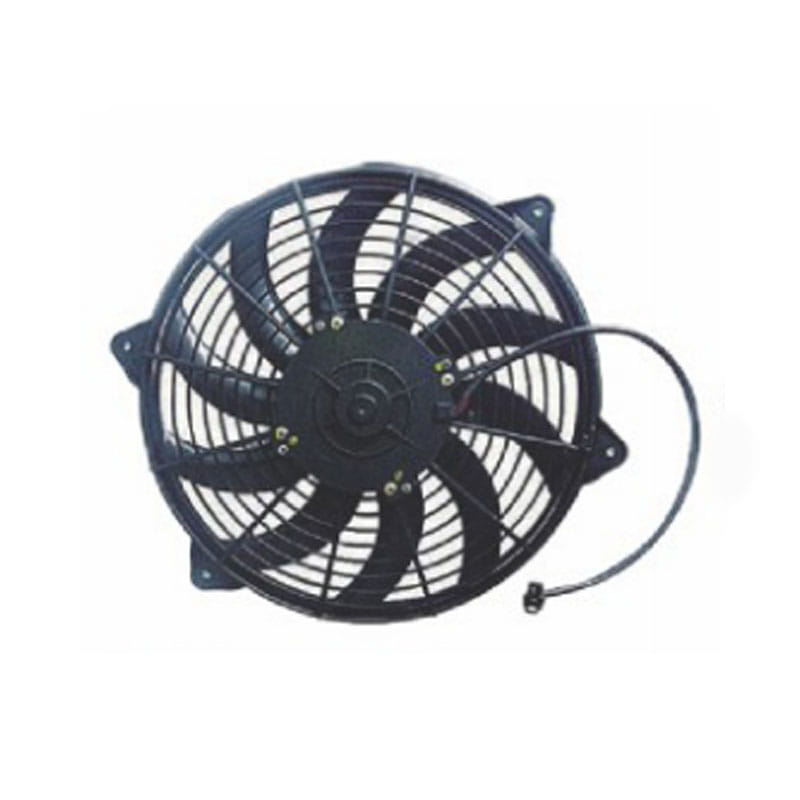
ما الذي يجعل مروحة التبريد الشعاعية EC مقاس 225 مم مختلفة؟ إن مروحة التبريد الشعاعية EC مقاس 225 مم عبارة عن محرك هواء مدمج يعمل بالطرد المركزي تم تصميمه حول محرك يتم تبديله إلكترونيًا ودافع بقطر اسمي يبلغ 225 مم. على عكس المروحة المحورية، التي تدفع الهواء على طول محور العمود، تقوم المروحة الشعاعية بسحب الهواء إلى عين المكره وتفريغه إلى الخارج من خلال تمرير أو حلزوني. هذا التغيير في مسار تدفق الهواء هو السبب في أن مروحة التبريد الشعاعية مقاس 225 مم EC يمكنها توفير ضغط مفيد ضد المرشحات والمبادلات الحرارية الكثيفة والقنوات والغرف ذات المساحة المحدودة. يضيف محرك EC طبقة ثانية من القيمة العملية. فهو يحول طاقة التيار المستمر الواردة من خلال إلكترونيات مدمجة، بحيث يمكن التحكم في سرعة المروحة ومراقبتها وحمايتها بدون محرك أقراص خارجي. وفي تصميم المعدات، يعتبر هذا المزيج أكثر أهمية من رقم واحد لتدفق الهواء. تصبح المروحة جزءًا من نظام التحكم الحراري الذي يجب أن يظل مستقرًا مع ارتفاع تحميل الفلتر، وتغيرات درجة الحرارة المحيطة، وتغير دورات العمل. مسار الهواء المدخول المحوري، التفريغ الشعاعي من خلال التمرير. يشكل السكن الضغط والتدفق. محرك يستبدل تخفيف EC الفرش بالتبديل الإلكتروني والتحكم المتكامل. المكره قطر 225 ملم يوازن بين قدرة الضغط ومساحة العلبة. ميزة التصميم نتيجة عملية ما للتحقق المكره الطرد المركزي قدرة ضغط أعلى من العديد من المراوح المحورية ذات الحجم المماثل نقطة العمل على منحنى مقاومة النظام محرك EC يمكن دمج السرعة المتغيرة والمراقبة والحماية التحكم في توافق المدخلات وسلوك الخطأ 225 ملم المكره يناسب العديد من الأظرف فئة 250 مم أثناء تحريك تدفق الهواء بشكل مفيد خلوص المدخل واتجاه التمرير السكن الحلزوني يمكن مطابقة اتجاه التفريغ مع مجاري الهواء أو الهندسة الكاملة خسائر انتقال المخرج والوصول إلى الخدمة لماذا يُعد حجم المكره مقاس 225 مم مكانًا رائعًا للتصميم الحراري القطر 225 ملم ليس رقمًا تسويقيًا. إنه حل وسط للتغليف. يمكن أن تتناسب المكره الأصغر حجمًا مع المساحات الضيقة، ولكنها تحتاج عادةً إلى سرعة أعلى لتحريك نفس الهواء، مما قد يؤدي إلى زيادة الضوضاء النغمية وتحمل الضغط. يمكن للمكره الأكبر حجمًا تحريك المزيد من الهواء بسرعة أقل، ولكنه يتطلب تمريرًا أكبر، ومساحة أكبر للمدخل، ومساحة أكبر حول التفريغ. غالبًا ما يقع الحجم 225 مم في الوسط العملي لحزم التبريد المدمجة، خاصة عندما يجب أن تعمل المروحة ضد مقاومة النظام الحقيقية بدلاً من المقعد المفتوح. يتم اختيار المراوح الشعاعية عندما يكون الضغط مهمًا. يمكن لكل من حصيرة المرشح، والمدخل ذو الفتحات، والمبادل الحراري بزعانف، وقناة قصيرة أن تضيف مقاومة. إذا لم تتمكن المروحة من الاحتفاظ بتدفق الهواء مع ارتفاع المقاومة، فإن الهامش الحراري يختفي قبل فترة طويلة من وصول الجهاز إلى حمله المقدر. يتم تحديد مروحة تبريد شعاعية EC مقاس 225 مم متوافقة جيدًا مقابل منحنى النظام المثبت، وليس مقابل رقم تدفق الهواء الحر الرئيسي. والسؤال المفيد بسيط: عند الضغط المطلوب، ما مقدار تدفق الهواء المتبقي، وبأي سرعة، ومستوى الصوت، والطاقة المدخلة؟ من المدخل إلى الحمل الحراري: حيث تخلق المروحة الشعاعية مقاس 225 مم EC قيمة مدخل مفلتر فقدان الضغط المنخفض 225 ملم المكره ارتفاع الضغط التفريغ الحلزوني تدفق الهواء الموجه الحمل الحراري هامش حراري مستقر فحص التصميم: حافظ على خلوص المدخل واسعًا، وقلل من قيود المخرج، وتحقق من صحته عند نقطة العمل المثبتة. تعمل هندسة الشفرة أيضًا على تغيير شكل منحنى تدفق الهواء والضغط. أ تصميم مروحة الطرد المركزي ذات الشفرة المنحنية للخلف غالبًا ما يتم تفضيله عندما يكون الضغط المستقر والضوضاء المنخفضة وكفاءة التشغيل الأفضل من الأولويات. يمكن للدافعات المنحنية للأمام أن تحرك المزيد من الهواء في حزمة أصغر، ولكنها قد تكون أكثر حساسية لظروف الدخول ومقاومة النظام. يعتمد الاختيار الصحيح على ملف تعريف الحمل الحراري، والمظروف المتوفر، والهدف الصوتي. كيف يغير تخفيف EC سلوك نظام التبريد إن مروحة EC ليست مجرد مروحة DC تحمل علامة مختلفة. يستخدم المحرك التبديل الإلكتروني للتحكم في مجال الجزء الثابت، ويمكن للإلكترونيات تشكيل سلوك بدء التشغيل، واستجابة السرعة، ومعالجة الأخطاء. في نظام التبريد، هذا يعني أن المروحة يمكن أن تتبع إشارة درجة الحرارة، وتنحدر بلطف بدلاً من التحرك، وتبلغ عن السرعة إلى وحدة التحكم. وهذا يعني أيضًا أنه يمكن حماية المروحة من تيار الدوار المقفل، ودرجة الحرارة الزائدة، والقطبية العكسية، اعتمادًا على التصميم. التحكم في السرعة ومطابقة النظام تقبل العديد من مراوح EC إشارة تحكم مثل دخل من 0 إلى 10 فولت، أو إشارة تعديل عرض النبض، أو منحنى سرعة داخلي بسيط. يجب اختيار طريقة التحكم مع وحدة تحكم النظام، وليس بعد تركيب المروحة. يمكن للمروحة التي تنحدر بقوة شديدة أن تؤدي إلى تغييرات مسموعة في السرعة وارتفاعات في التيار. قد تتوقف المروحة ذات السرعة الدنيا المحددة بشكل سيئ في ظروف الحمل المنخفض أو تفشل في التغلب على مقاومة المرشح أثناء بدء التشغيل. يجب أن تحدد وحدة التحكم عتبة البداية والحد الأدنى للسرعة المستقرة والسرعة القصوى واستجابة الخطأ. التكامل الكهربائي والحراري نظرًا لأن الإلكترونيات موجودة داخل المروحة أو متصلة بها، يجب أن يأخذ التصميم الحراري في الاعتبار محرك المحرك بالإضافة إلى المكره. تؤثر درجة الحرارة المحيطة حول الأجهزة الإلكترونية، وتدفق الهواء فوق مبيت المحرك، واتجاه الموصل، على الموثوقية على المدى الطويل. يجب التحقق من تحمل الجهد وسلوك التدفق والتوافق الكهرومغناطيسي في التجميع الكامل. يمكن للمروحة التي تعمل بشكل جيد على الطاولة أن تتصرف بشكل مختلف عندما يتم تركيبها على لوحة، وتحيط بها مصادر الحرارة، ويتم تشغيلها من خلال حزام طويل. متطلبات النظام سلوك مروحة EC للتأكيد خطر إذا تم التغاضي عنه التحكم في السرعة على أساس درجة الحرارة الحد الأدنى من السرعة المستقرة والمنحدر الذي يمكن التنبؤ به ركوب الدراجات مسموع والاستجابة الحرارية غير المستقرة عملية الجهد المنخفض أداء بدء التشغيل والتشغيل عند أقصى الجهد فشل إعادة التشغيل أو انخفاض تدفق الهواء مراقبة الأخطاء إشارة السرعة، خرج التنبيه، أو حماية الدوار المقفل فشل التبريد الصامت التوافق الكهرومغناطيسي تسخير التوجيه والتصفية في التجميع النهائي التحكم في التداخل أو ضوضاء المستشعر كيفية اختيار مروحة تبريد شعاعية مقاس 225 مم من EC للحصول على حاوية حقيقية EC92-B225 EC مروحة طرد مركزي قابلة للإمالة للخلف لتبريد الرادياتير مروحة طرد مركزي قابلة للإمالة للخلف يتم التحكم فيها من قبل EC لتبديد حرارة السيارات، مع سرعة قابلة للتعديل وتشغيل قابل للعكس؛ تحقق من المتطلبات الحرارية لسائق المحرك ومقاومة النظام أثناء الاختيار. عرض المنتج → يبدأ الاختيار مع العلبة، وليس الكتالوج. تحديد الحمل الحراري، وارتفاع درجة الحرارة المسموح به، والارتفاع، ودرجة الحرارة المحيطة، ونوع الفلتر، وقيود المدخل والمخرج، ودورة العمل المتوقعة. ثم قم بتقدير منحنى مقاومة النظام. يجب اختيار المروحة حيث يتقاطع منحنى تدفق الضغط مع منحنى النظام بهامش كافٍ لتغطية تحميل المرشح وتغير الإنتاج. المروحة التي لا تلبي سوى نقطة التشغيل على مرشح نظيف هي مشكلة صيانة تنتظر حدوثها. بالنسبة للحزمة الحرارية المدمجة، غالبًا ما تكون مروحة الطرد المركزي EC ذات الإمالة للخلف مقاس 225 مم مرشحًا عمليًا لأنها يمكن أن تنتج ضغطًا مفيدًا دون تمرير كبير جدًا. قد يكون من الأفضل استخدام وحدة مائلة للأمام حيث يلزم تدفق هواء أعلى في حزمة أصغر وتكون مقاومة النظام متواضعة. وينبغي أن يستند القرار إلى بيانات النظام المقاسة أو المقدرة، وليس إلى المكره وحده. EC72-B225 مروحة تبريد بالطرد المركزي ذات إمالة خلفية مروحة طرد مركزي قابلة للتخصيص مقاس 225 مم EC لأنظمة تبديد الحرارة، مع سرعة قابلة للتعديل وتحكم قابل للعكس؛ يؤثر تصميم مسار التثبيت والمدخل/التفريغ على أداء التبريد العملي. عرض المنتج → معايير الاختيار التي تهم نقطة الواجب: تدفق الهواء عند الضغط الساكن الفعلي، وليس التوصيل المجاني. نطاق التحكم: الحد الأدنى من السرعة المستقرة والحد الأقصى للسرعة وتوافق الإشارة. الهدف الصوتي: ضغط الصوت في موضع المستمع، بما في ذلك المحتوى النغمي. التعرض البيئي: الغبار والرطوبة والاهتزاز ودرجة الحرارة حول الأجهزة الإلكترونية. التوافق الميكانيكي: خلوص المدخل، واتجاه التمرير، ومستوى التركيب، والوصول إلى الخدمة. توقع الحياة: نظام التحمل، دورة العمل، وفترة الصيانة المتوقعة. المعلمة لماذا هو أمر بالغ الأهمية فحص عملي الضغط الثابت عند نقطة العمل يحدد ما إذا كان تدفق الهواء سينجو من المرشحات والقنوات تراكب منحنى المروحة ومنحنى النظام نطاق جهد الإدخال يؤثر على بدء التشغيل واستقرار السرعة والسحب الحالي اختبار عند الحد الأدنى والحد الأقصى للعرض إشارة التحكم يضبط التوافق مع وحدة التحكم الحرارية تأكيد العتبات، والقطبية، والاستجابة للخطأ جودة الصوت يمكن أن تكون المروحة النغمية أكثر وضوحًا من مروحة النطاق العريض الأعلى صوتًا قم بالقياس بعدة سرعات وأوضاع استماع اتجاه التركيب يغير ظروف المدخل وتحمل الحمل التحقق من صحة في التجميع الميكانيكي النهائي كيفية دمج التركيب والقنوات والوصول إلى الخدمة يمكن أن تفقد مروحة التبريد الشعاعية مقاس 225 مم EC جزءًا كبيرًا من أدائها بسبب التثبيت السيئ. تحتاج المكره إلى مسار مدخل نظيف. ويحتاج التفريغ إلى مرحلة انتقالية لا تحدث توسعاً مفاجئاً أو انعطافات حادة. يجب أن يعزل هيكل التثبيت الاهتزاز دون السماح للمروحة بالانتقال إلى الكفن. يجب أن يسمح الوصول إلى الخدمة باستبدال الفلتر وفحص المروحة دون إزالة الوحدة الحرارية بأكملها. تخطيط متكامل لتدفق الهواء المستقر وإمكانية الخدمة منطقة مدخل واضحة تجنب انسداد اللوحة المروحة والتمرير تركيب صلب ومستوي الانتقال السلس مسار منفذ قصير بالوعة الحرارة تدفق موحد فحص الوصول إلى الخدمة: إزالة الفلتر، وتخليص الموصل، ومساحة الفحص، ومسار الاستبدال. احتفظ بالحوامل المرنة بعيدًا عن الأجزاء الدوارة وتحقق من الخلوص عند أقصى قدر من الاهتزاز. القواعد الأساسية للتركيب والقنوات حافظ على المدخل خاليًا من الحواف الحادة والملصقات وحزم الحزام التي تزعج الهواء الوارد. قم بمحاذاة تفريغ التمرير مع القناة أو اتجاه الجلسة المكتملة لتجنب الانحناء الحاد عند المخرج. استخدم حوامل مرنة أو حلقات عزل عندما تكون الضوضاء التي يحملها الهيكل مصدر قلق. توفير فجوة في الخدمة تسمح بالوصول إلى الموصلات دون إزالة المروحة. تأكد من أن المروحة لا تقوم بإعادة تدوير الهواء الساخن المفرغ إلى المدخل. مشكلة التثبيت التأثير المحتمل تصحيح المدخل قريب جدًا من اللوحة انخفاض تدفق الهواء وزيادة الضوضاء زيادة الخلوص أو إضافة مدخل فم الجرس توسع مفاجئ في المخرج فقدان الضغط والاضطراب استخدم انتقالًا تدريجيًا أو ناشرًا قصيرًا تركيب جامد على لوحة رقيقة الاهتزاز الذي يحمله الهيكل أضف حوامل العزل وقم بتقوية اللوحة تسخير عبر المدخل اضطراب التدفق والضوضاء النغمية إعادة توجيه وتأمين الحزام كيفية التحقق من الموثوقية والأداء الصوتي قبل الإصدار يجب أن يقوم التحقق من الصحة بإعادة إنتاج البيئة المثبتة بشكل وثيق بما يكفي للكشف عن التفاعلات. يعد اختبار الطاولة بمدخل ومخرج مفتوحين مفيدًا للفحص، ولكنه ليس اختبار إطلاق لنظام مجاري أو مرشح. يجب اختبار المروحة باستخدام مرشح الإنتاج، وحزام الإنتاج، وهيكل تركيب الإنتاج، وإشارة التحكم المتوقعة. يجب أن يستمر اختبار النقع الحراري لفترة كافية حتى تصل إلكترونيات المحرك ونظام التحمل إلى درجة حرارة مستقرة. منطقة التحقق من الصحة ما يجب قياسه الافراج عن السؤال تدفق الهواء والضغط نقطة العمل عبر حالات تحميل المرشح هل يتم الحفاظ على الهامش الحراري عند نهاية فترة الخدمة؟ استجابة التحكم بدء التشغيل، والمنحدر، والحد الأدنى من السرعة، واسترداد الأخطاء هل تبقى المروحة مستقرة مع وحدة التحكم الحقيقية؟ السلوك الصوتي ضغط الصوت بعدة سرعات وأوضاع للميكروفون هل المكونات النغمية مقبولة في سياق المنتج؟ الاهتزاز والتركيب الاهتزاز الذي يحمله الهيكل and visual clearance هل سيحدث التآكل أو المحاذاة غير الصحيحة مع مرور الوقت؟ التحمل البيئي درجات الحرارة والرطوبة والغبار والجهد المتطرف هل يظل الأداء قابلاً للتنبؤ به بعد التعرض؟ يستحق التحقق الصوتي اهتمامًا خاصًا لأن مروحة التبريد الشعاعية مقاس 225 مم EC يمكن أن تنتج ضوضاء النطاق العريض والضوضاء النغمية. قد تكون ضوضاء النطاق العريض مقبولة إذا كانت سلسة ومنخفضة المستوى. يمكن أن تكون النغمة الضيقة عند سرعة معينة أكثر وضوحًا، حتى عندما يبدو مستوى الصوت الإجمالي معقولًا على جهاز القياس. تعد عمليات مسح السرعة مفيدة لأنها تكشف عن أصداء في المروحة أو الحامل أو اللوحة أو القناة. في حالة ظهور رنين، قم بتغيير صلابة التثبيت أو إضافة التخميد أو تغيير نطاق سرعة التشغيل. ما الذي ينبغي على فرق المشتريات والجودة طرحه؟ الاختيار الفني هو نصف القرار فقط. تعد مروحة التبريد مكونًا طويل العمر يؤثر على التعرض للضمان وتكلفة الخدمة وسمعة المنتج. يجب أن تسأل فرق المشتريات والجودة عن كيفية التحكم في المحرك والدفاعة والإلكترونيات في الإنتاج، وكيف يتم التعامل مع إشعارات التغيير، وكيف تعمل إمكانية التتبع. بالنسبة لتطبيقات السيارات وتطبيقات الطرق الوعرة، يجب أن يكون المورد قادرًا على شرح نظام إدارة الجودة الخاص به، وعملية الموافقة على الإنتاج، والتحكم في الانحراف دون الاعتماد على ادعاءات واسعة النطاق. سؤال لماذا يهم الأدلة على الطلب هل يتم التحكم في تكامل المحرك والمروحة داخل الشركة؟ يؤثر على الاتساق وسرعة العمل التصحيحي تدفق العملية ونقاط التفتيش الرئيسية كيف يتم التحقق من توازن المكره؟ يؤثر على الاهتزاز، وتحمل الحياة، والضوضاء سجلات التوازن ونموذج خطة التدقيق كيف تتم حماية الإلكترونيات أثناء التجميع؟ يمنع الفشل الكامن في هذا المجال التعامل مع الضوابط وتغطية الاختبار كيف يتم توصيل التغييرات في التصميم أو المواد؟ يحمي الأداء الحراري والصوتي المعتمد تغيير قواعد الإخطار وإعادة التأهيل ما هو أساس مدة الخدمة؟ يحدد توقعات الصيانة والضمان ملخص اختبار الحياة وافتراضات دورة العمل عادةً ما يكون دمج المورد الذي يمكنه مناقشة تدفق الهواء والضغط والتحكم والتحكم في الإنتاج في نفس المحادثة أسهل من المورد الذي يقدم صفحة كتالوج فقط. الهدف ليس جمع الوثائق. الهدف هو التأكد من أن مروحة التبريد الشعاعية المختارة مقاس 225 مم EC ستعمل بنفس الطريقة في الإنتاج كما فعلت أثناء التحقق من الصحة. الأخطاء الشائعة التي تقوض أداء مروحة EC مقاس 225 مم تظهر معظم مشاكل التبريد بعد اختيار المروحة. وهي تأتي من تفاصيل التثبيت، أو إعدادات التحكم، أو اختصارات التحقق من الصحة. تغطي القائمة أدناه الأخطاء الشائعة بدرجة كافية للتحقق من كل مشروع. خطأ النتيجة ممارسة أفضل الاختيار عند تدفق الهواء الحر ينهار تدفق الهواء تحت مرشح أو مقاومة القناة حدد عند نقطة العمل المثبتة تجاهل خلوص المدخل يرتفع الضجيج وينخفض الضغط نموذج مسار المدخل واختبار التجميع النهائي باستخدام تحكم بسيط في التشغيل والإيقاف الدراجات الحرارية، والمسامير الحالية، وخطوات مسموعة تحديد المنحدر والحد الأدنى للسرعة مع وحدة التحكم اختبار مرشح نظيف فقط لا يوجد هامش في نهاية فترة الخدمة تم الاختبار في الحالات النظيفة ونصف المحملة والمحملة التعامل مع مستوى الصوت كرقم واحد يتم تفويت النغمات والأصداء استخدم عمليات مسح السرعة ومواضع القياس المتعددة التصحيح عادة لا يكون بمروحة أكبر. إنه نموذج نظام أكثر صدقًا، ومدخل أنظف، وانتقال أفضل للمخرج، واستراتيجية تحكم تحترم نطاق التشغيل المستقر للمروحة. يمكن أن تكون مروحة التبريد الشعاعية مقاس 225 مم EC مكونًا حراريًا فعالاً للغاية عندما يتم تصميم هذه التفاصيل معًا. الأسئلة المتداولة Q1: ما هو استخدام مروحة التبريد الشعاعية مقاس 225 مم EC؟ يتم استخدامه عند الحاجة إلى الحجم الصغير، وقدرة الضغط، وتدفق الهواء الذي يمكن التحكم فيه. تشمل الاستخدامات النموذجية العبوات الإلكترونية، والمبادلات الحرارية، وصناديق الترشيح، والوحدات الحرارية المدمجة، والمعدات التي يجب أن تحافظ على التبريد مع ارتفاع المقاومة. س2: لماذا تختار المروحة الشعاعية بدلاً من المروحة المحورية؟ يمكن للمروحة الشعاعية أن تنتج ضغطًا أعلى في التمرير المضغوط، مما يساعد عندما يجب أن يمر الهواء عبر المرشحات أو الزعانف أو القنوات. قد تكون المروحة المحورية مفضلة عندما يكون الضغط المنخفض وشكل التثبيت الرفيع هما الأولويتين الرئيسيتين. س3: هل تعمل المكره الأكبر دائمًا على تحسين التبريد؟ لا، قد تقوم المكره الأكبر بتحريك المزيد من الهواء بسرعة أقل، ولكنها تحتاج إلى مساحة أكبر ولفائف مناسبة. تعتمد الفائدة على مقاومة النظام، وخلوص المدخل، والهدف الصوتي، ونقطة التشغيل الفعلية. س4: ما هي إشارة التحكم التي يجب أن تستخدمها مروحة EC؟ يعتمد الاختيار على وحدة تحكم النظام. تتضمن الخيارات الشائعة إدخال جهد تناظري، أو إشارة تعديل عرض النبضة، أو منحنى السرعة الداخلي. تتمثل الفحوصات المهمة في عتبة البداية، والحد الأدنى من السرعة المستقرة، والاستجابة للخطأ، والتوافق مع الحزام. س5: كيف يجب اختبار مروحة EC مقاس 225 مم قبل إصدارها؟ اختبره في التجميع الميكانيكي النهائي باستخدام مرشح الإنتاج والحزام وإشارة التحكم. قم بقياس تدفق الهواء والضغط في حالات مقاومة متعددة، وتحقق من سلوك بدء التشغيل والخطأ، وقم بإجراء عمليات مسح للسرعة الصوتية للكشف عن النغمات أو الرنين. س6: ما هو خطأ التثبيت الأكثر شيوعًا؟ تقييد المدخل أو وضع المروحة بالقرب من اللوحة. يمكن أن يؤدي هذا الخطأ الفردي إلى تقليل تدفق الهواء وزيادة الضوضاء وجعل المروحة المحددة بشكل صحيح تبدو غير كافية. .article-section{margin-bottom:40px;font-family:'Segoe UI',Roboto,'Helvetica Neue',sans-serif;font-weight:400;line-height:2;color:#252525;}.article-section h2{font-size:20px;font-weight:700;text-align:left;margin:0 0 10px 0;padding:10px 12px;border-radius:6px;background:linear-gradient(90deg,rgba(218,37,28,0.13),rgba(218,37,28,0.02));border:1px solid rgba(218,37,28,0.18);position:relative;}.article-section h2::after{content:"";display:block;width:72px;height:3px;margin-top:8px;border-radius:2px;background:linear-gradient(90deg,#da251c,rgba(218,37,28,0));}.article-section h3{font-size:18px;font-weight:700;text-align:left;margin:5px 0 5px 0;padding-left:10px;border-left:4px solid #da251c;background:#fbf7f6;}.article-section h4{font-size:16px;font-weight:500;text-align:left;margin:12px 0 5px 0;color:#8f1d17;background:#fff1f0;display:inline-block;padding:4px 8px;border-radius:4px;}.article-section p{font-size:16px;margin:0 0 5px 0;}.article-section ul,.article-section ol{margin-top:8px;margin-bottom:8px;padding-left:22px;}.article-section li{font-size:16px;list-style-position:inside;}.article-section ul li{list-style-type:disc;}.article-section ol li{list-style-type:decimal;}.article-section strong{font-weight:500;font-size:inherit;}.article-section a{color:#b32018;text-decoration:underline;}.article-section table{display:table!important;width:100%;border-collapse:collapse;margin:12px 0;border:1px solid #efc7c2;background:#ffffff;}.article-section thead{display:table-header-group!important;}.article-section tbody{display:table-row-group!important;}.article-section tr{display:table-row!important;}.article-section th{display:table-cell!important;text-align:center;font-size:16px;padding:8px 6px;background:#da251c;color:#ffffff;border:1px solid #c91f17;}.article-section td{display:table-cell!important;text-align:center;font-size:16px;padding:8px 6px;border:1px solid #efc7c2;}.article-section tr:nth-child(even) td{background:#fff8f7;}.article-section .data-grid{display:grid;grid-template-columns:repeat(auto-fit,minmax(180px,1fr));gap:12px;margin:12px 0;}.article-section .data-card{background:linear-gradient(135deg,#ffffff,#fff3f2);border:1px solid #efc7c2;border-radius:8px;padding:12px;box-shadow:0 2px 8px rgba(143,29,23,0.06);}.article-section .data-card p{font-size:16px;margin:4px 0 0 0;}.article-section svg{display:block;margin:12px 0;border-radius:10px;background:#ffffff;}.article-section svg .svg-title{font-size:16px;font-weight:700;font-family:'Segoe UI',Roboto,'Helvetica Neue',sans-serif;}.article-section svg .svg-body{font-size:14px;font-weight:400;font-family:'Segoe UI',Roboto,'Helvetica Neue',sans-serif;}.article-section a[data-product-card]{display:block;margin:10px 0;} .product-card{display:block;margin:20px 0;border:1px solid #e5e7eb;border-radius:10px;overflow:hidden;font-style:normal;background:#fff;box-shadow:0 0 5px rgba(31,41,55,.08)}.pc-inner{display:flex;text-decoration:none;color:inherit;align-items:center;min-height:148px}.product-card .pc-img{width:auto!important;min-width:0!important;max-width:min(36%,240px)!important;height:auto!important;min-height:0!important;max-height:148px!important;aspect-ratio:auto!important;object-fit:contain!important;flex:0 0 auto;display:block;align-self:center}.pc-body{padding:12px 16px;flex:1;min-width:0;display:flex;flex-direction:column;align-self:stretch;justify-content:center}.pc-title{display:block;font-size:15px;font-weight:600;color:#111;margin:0 0 6px;line-height:1.4}.pc-desc{display:-webkit-box;font-size:13px;color:#6b7280;margin:0 0 8px;line-height:1.5;overflow:hidden;-webkit-line-clamp:2;line-clamp:2;-webkit-box-orient:vertical}.pc-cta{display:block;font-size:13px;font-weight:600;color:#DA251C;margin-top:auto}.pc-inner:hover .pc-title{text-decoration:underline} .article-section a:not(.pc-inner),article a:not(.pc-inner){color:#DA251C}.pc-cta{color:#DA251C!important}


 English
 Español
 عربى
عربى русский